Supporting families before concerns become crisis
The best child protection response is often the one that helps a family before concerns escalate.
Our Family and Youth Support and Strengthening Families teams work with children, young people and families through voluntary, relationship-based support. They listen to what is happening, identify strengths and worries, and bring together practical help from across government and community services.
A coordinated response for a family
One family with 2 primary school-aged children was experiencing housing instability, isolation, disrupted school attendance and difficulty maintaining complex medical care. The team coordinated support across education, health, housing and community services.
A move to a remote community with stronger family and cultural connections became an important turning point. Both children enrolled in school, medical care became more consistent and the family reported feeling safer and more optimistic. With goals met and no current concerns identified, the case closed successfully.
A visible, practical presence at the Darwin Show
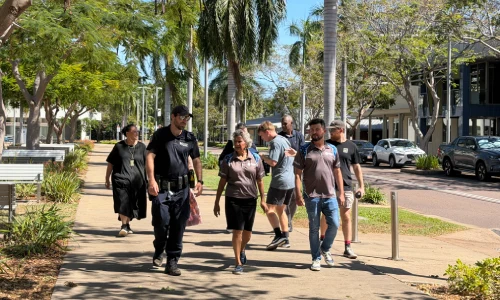
During the Darwin Show, FAYS staff worked alongside NT Police, security and community partners to support young people and families. Staff helped resolve a missing child report, de-escalated an emerging conflict, shared information to help prevent incidents and activated a Safe Place for a young person requiring immediate support.
This work shows how early intervention can be practical and immediate. Sometimes it means a conversation with a young person, a coordinated response between agencies or making sure there is a safe place available when it is needed.
Staying connected when a young person needs help
In another Greater Darwin matter, practitioners across Child Safety and FAYS coordinated support when concerns arose for a 15-year-old whose mother was in hospital. Staff used respectful text messages to create an opportunity for open communication, assess risk and maintain contact over the weekend.
The method of contact mattered. Meeting a young person where they were comfortable helped staff understand what was happening and respond to immediate safety needs.
Working in a domestic violence-informed way
In Central Australia, a child protection investigation brought together information from the child, parents, extended family, police and services. The practitioner recognised the protective actions of a mother experiencing domestic and family violence and maintained a clear focus on the pattern of coercive control and the responsibility of the person using violence.
The work combined rigorous investigation, respectful family engagement, cultural respect and clear planning for the child's future safety. Ongoing Strengthening Families support was recommended.
Support before crisis
Early intervention does not mean concerns are simple. Families may be navigating grief, violence, housing stress, health needs or isolation. Effective support requires persistence, trust, coordination and a clear focus on children.
By working earlier and alongside families, our teams aim to strengthen safety, reduce escalation and help children remain connected to family and community wherever it is safe.